ServicesTrailer Interchange Insurance
Trailer Interchange Insurance in Grand Prairie
When you hook to a trailer or chassis you don't own under a signed interchange agreement, damage to it is usually your bill. We read the agreement, match the limit and perils it names, and show you the clause behind every line we quote.
What trailer interchange covers and why your own policy stops short
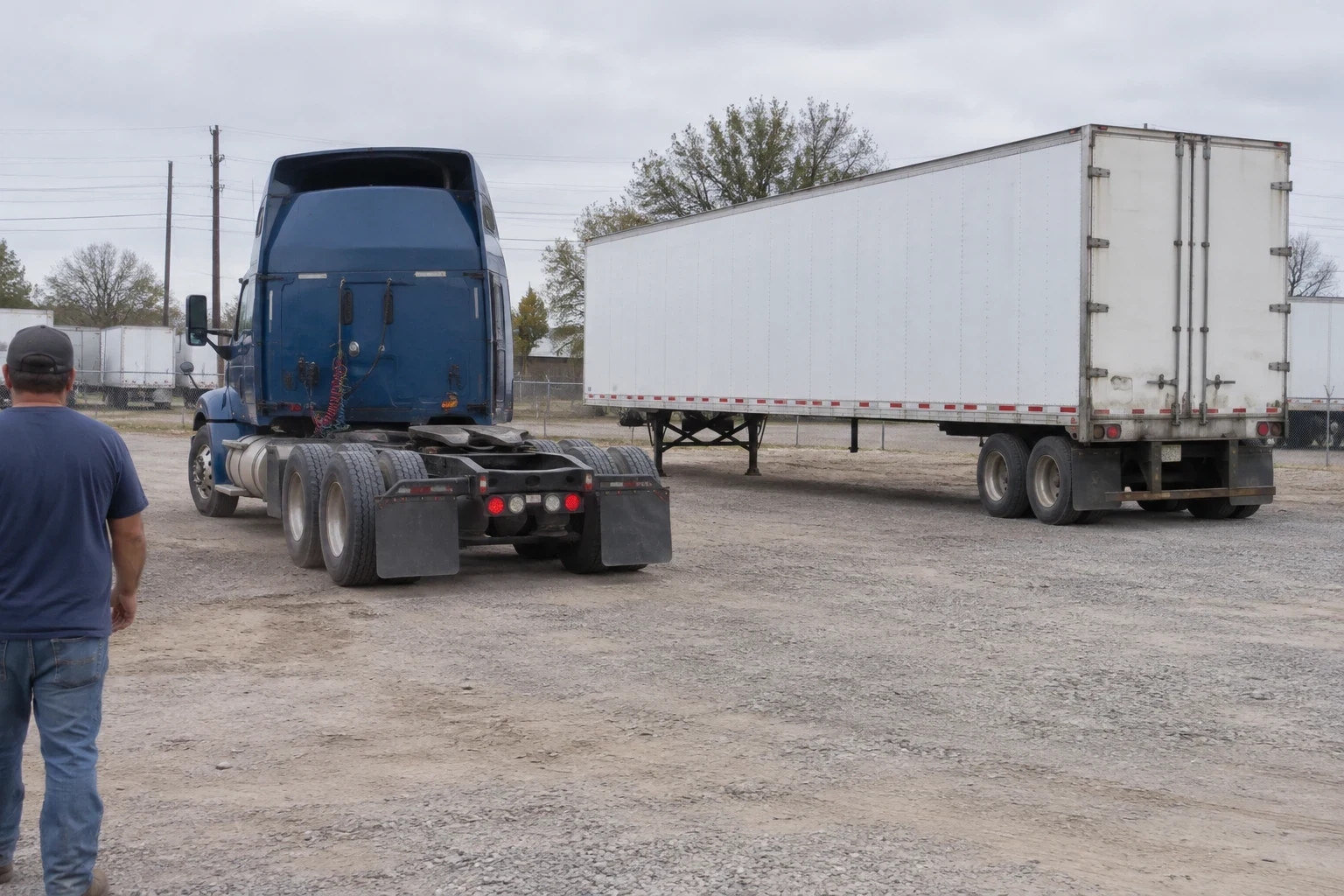
Trailer interchange insurance pays for physical damage to a non-owned trailer while it is in your possession under a written trailer interchange agreement. That includes intermodal chassis and containers pulled under the UIIA, and dry vans, reefers or flatbeds swapped between carriers.
Two gaps make this coverage necessary. Your physical damage policy covers equipment you own or list on the policy, not someone else's trailer. Your primary auto liability excludes property in your care, custody or control, and a hooked trailer is exactly that. Without interchange coverage, a jackknife, a fire or a stolen trailer lands on your operation as an out-of-pocket claim from the owner.
We work from documents, not assumptions. You get a marked-up copy of your agreement with the coverage requirements flagged, next to the policy wording that answers each one, so you can see what we found and what we did about it.
What we set up on a trailer interchange policy
Agreement review
We read the indemnity and insurance sections of your interchange agreement or UIIA addendum. We flag the required limit per trailer, the perils it names and any loss payee or certificate holder wording the owner expects to see.
Limit matched to the equipment
A 53-foot reefer and a bare chassis carry very different replacement values. We set the per-unit limit to the most valuable trailer you realistically pull, not a round number that leaves you short.
Perils spelled out
Collision, upset, fire, theft and, where available, comprehensive perils like hail and vandalism. We show you which perils the agreement demands and which ones the policy actually lists.
Certificates and filings
We issue the certificate of insurance to the trailer owner or intermodal party in the form they ask for, and keep it current when your policy renews.
A photo routine for interchange
We give you a simple walkaround checklist for pickup and drop: tires, landing gear, doors, panels and lights. Dated photos taken at hookup are the strongest proof of what condition a trailer was in when it became your responsibility.
Signs you need trailer interchange coverage
You signed an interchange agreement
If a written agreement makes you responsible for a non-owned trailer, the owner will expect proof of coverage. Read the insurance section before your first load.
You pull intermodal chassis or containers
Rail ramps and steamship lines generally require UIIA participation, and the UIIA requires trailer interchange coverage on file.
A shipper or carrier asked for a certificate
A request for a certificate showing trailer interchange is a direct sign the coverage is expected before you hook up.
You swap trailers with other carriers
Power-only and trailer pooling arrangements often run on interchange agreements, even informal-looking ones.
Trailers sit in drop yards
A loaded trailer parked in your care during a North Texas hailstorm is still your exposure if the agreement says so. Comprehensive perils matter here.
How we build the policy
- 1
Phone or video intake
We ask about your DOT number, MC authority, the trailers you pull and who owns them. Calls happen by phone, video, or at our office.
- 2
Agreement and policy side by side
Send us the interchange agreement and your current policy. We mark each requirement and show you which policy line meets it, and where a gap exists.
- 3
Quote with the reasons attached
You get a quote showing the limit, deductible and perils, each tied back to the clause that required it. Nothing is added that the agreement or your operation does not call for.
- 4
Bind and issue certificates
Once you approve, we bind coverage and send the certificate of insurance to each trailer owner who needs one.
- 5
Claim support
If a trailer is damaged, we help you gather the interchange paperwork and your hookup photos for the carrier's adjuster. We explain the process; the adjuster makes the coverage decision.
What moves the premium
Trailer interchange premium is driven by how much trailer value you have hooked up at any one time and how likely that equipment is to be damaged. We explain each factor before you commit.
- Limit per trailer
- A higher per-unit limit for reefers or specialized equipment raises the premium. Chassis-only operations usually need less.
- Units in your care at once
- Two trucks pulling interchange trailers is a different exposure from a fleet with ten trailers dropped across yards.
- Deductible and perils
- A higher deductible lowers premium. Adding comprehensive perils such as hail and theft raises it, but closes the gaps that cause the most disputes.
- Loss history and experience
- Prior trailer claims, driver records and years under your own authority all factor in. New authorities often see higher rates in the first years.
Trailer interchange questions
Something not covered here? (972) 236-7691
Doesn't my physical damage policy already cover the trailer I'm pulling?
Usually not. Physical damage covers units you own or schedule on the policy. A trailer owned by someone else and pulled under an interchange agreement needs trailer interchange coverage, or the owner's claim comes to you.
What is the difference between trailer interchange and non-owned trailer coverage?
Trailer interchange applies when a written interchange agreement makes you responsible for the trailer. Non-owned trailer physical damage is meant for trailers you pull without that kind of agreement. We look at how you actually get your trailers and recommend the one that fits.
Do I need this to pull intermodal containers?
If you pull containers or chassis under the UIIA, trailer interchange coverage is part of the participation requirements. We check the current limit the agreement calls for and issue the certificate in the format the intermodal parties accept.
I'm leased onto a carrier. Whose policy covers the trailer?
It depends on your lease and the carrier's policy. Some carriers cover interchange trailers for leased owner-operators; others push it to you. We read both documents and show you which one actually carries the risk.
Why do you recommend photos at hookup?
Trailer owners sometimes bill for damage that was there before you hooked up. Dated photos of tires, panels, doors and landing gear give the adjuster a clear before-and-after and keep you from paying for someone else's dent.
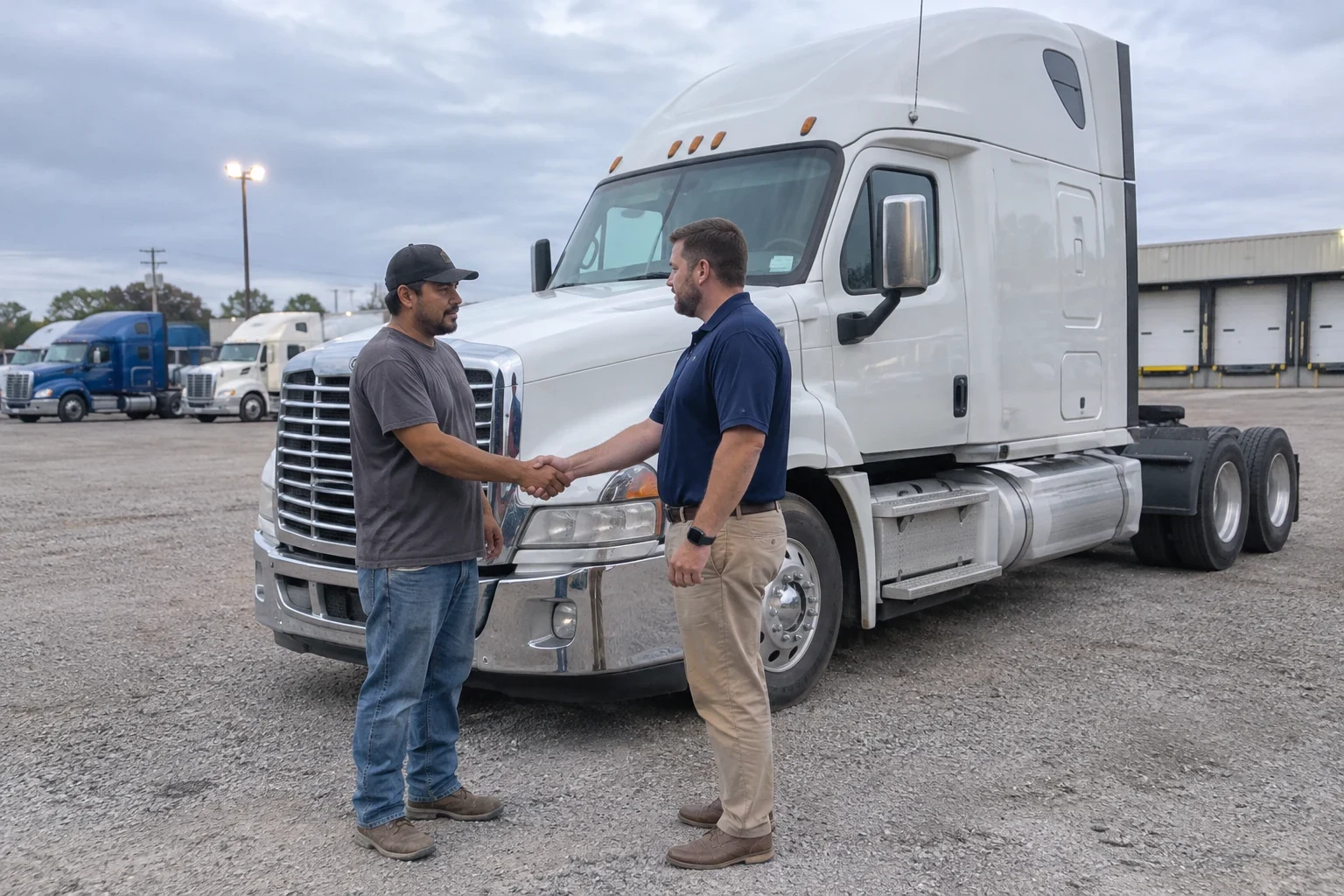
Know what your agreement requires before you hook up
Have your interchange agreement and current policy nearby when you call. We'll go through the insurance clauses with you and quote coverage that answers each one.