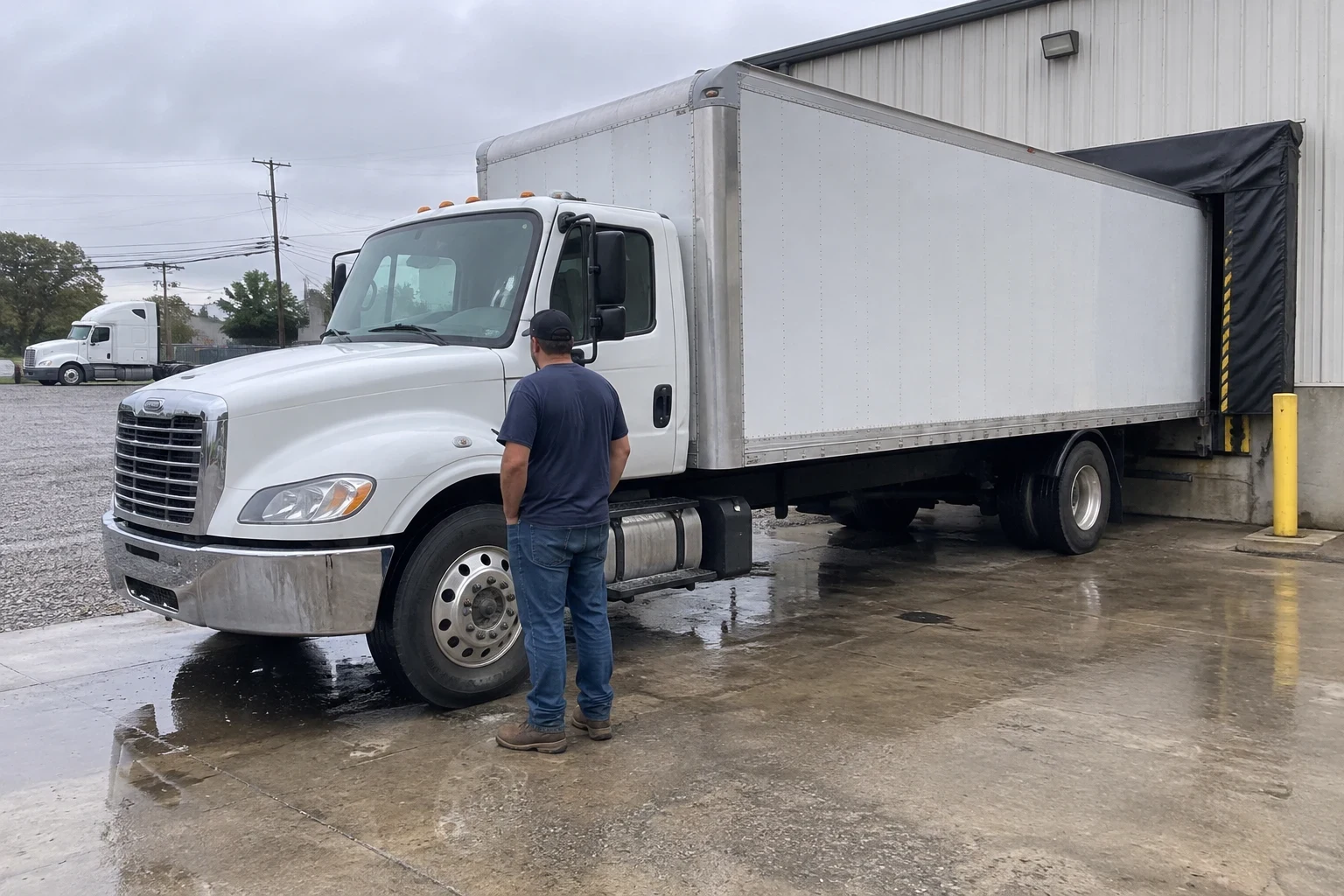
ServicesBox Truck Insurance
Box Truck Insurance in Grand Prairie
We write coverage for box trucks doing final-mile delivery, freight runs, furniture and appliance work, and moving jobs. We look at your truck, your contracts and your filings, then show you in writing what each policy covers and what it leaves out.
What box truck insurance covers and who needs it
A box truck sits between a pickup and a tractor-trailer, and insurers treat it that way. A straight truck under 26,001 pounds GVWR usually needs no CDL. Once you haul for hire, though, it needs commercial liability, often cargo coverage, and the right filings with your DOT number and MC authority. A personal or business auto policy will not respond to a loss on a load you were paid to carry.
Box truck work has its own failure points. Liftgates get bent at docks. Rear roll-up doors and side panels take hits in tight alleys and apartment loading zones. Cargo like electronics and appliances draws theft, and many cargo forms exclude unattended vehicles unless the truck is locked a specific way. We read those conditions with you before you sign.
Our method is simple. We photograph your truck's VIN plate, body, and liftgate. We save screenshots of your FMCSA record. We hand you a side-by-side of every quote, so you can see what we found and why we recommended what we did.
What we set up for your box truck
- Primary auto liability and filings
- We place primary auto liability at the limit your work requires and file proof with FMCSA when you run interstate. For-hire general freight in a vehicle over 10,001 pounds carries a federal minimum of $750,000. Many brokers and delivery contracts ask for more, so we match your highest contract requirement.
- Physical damage on the box and liftgate
- Physical damage insurance pays to repair or replace your truck after a collision, fire, or theft. We list the liftgate, box body, and any refrigeration unit on the policy by value. That way a claim isn't settled on the bare chassis alone.
- Motor truck cargo coverage
- We match the cargo limit to the most valuable load you haul, not the average. Then we walk you through the exclusions that hit box trucks most: unattended vehicle rules, electronics limits, and restrictions on moving loads of used furniture and personal effects.
- Certificates of insurance on file
- Shippers, brokers, and warehouses each want a certificate of insurance naming them. We issue those as your contracts require. We also keep a record of which ones went out and when.
- Bobtail coverage when you're leased on
- If you run under another carrier's authority, their policy may cover you only while dispatched. Non-trucking liability fills the gap when you're driving the truck off dispatch.
Signs your box truck coverage needs a look
A broker rejected your certificate
Load boards and delivery contracts check your liability and cargo limits automatically. A rejection usually means a limit is too low or a name is missing from the certificate.
You started hauling for hire
If the truck moved from carrying your own goods to carrying other people's freight, your old policy likely excludes the new work. An uncovered load is the claim nobody pays.
Your liftgate or reefer isn't listed
Equipment that isn't scheduled on the policy may be valued at nothing after a loss. A liftgate alone can cost a meaningful share of the truck's value to replace.
Your FMCSA record shows a lapse
When a policy cancels, the insurer notifies FMCSA. Your authority can be revoked if new coverage isn't filed in time. We pull the record and show you exactly what it says.
You added a second truck or driver
Every driver must be listed and approved by the insurer. An unlisted driver in an accident can leave the claim in dispute.
How quoting your box truck works
- 1
A phone or video call about your operation
We ask what you haul, how far, who your contracts are with, and who drives. Tell us the GVWR, body length, and any liftgate or refrigeration unit.
- 2
Documents and photos
You share your registration, driver licenses, and photos of the truck: VIN plate, all four sides, the liftgate, and the box interior. We pull your FMCSA record and loss runs and screenshot what we find.
- 3
Quotes laid out side by side
We compare carriers line by line on limits, deductibles, cargo exclusions, and equipment values. Then we walk you through the differences on the phone so you know what you're giving up with any cheaper option.
- 4
Binding, filings, and certificates
Once you choose, we bind the policy and file the federal or state proof of coverage your authority needs. We issue certificates to the brokers or shippers you name. You keep a copy of everything we filed.
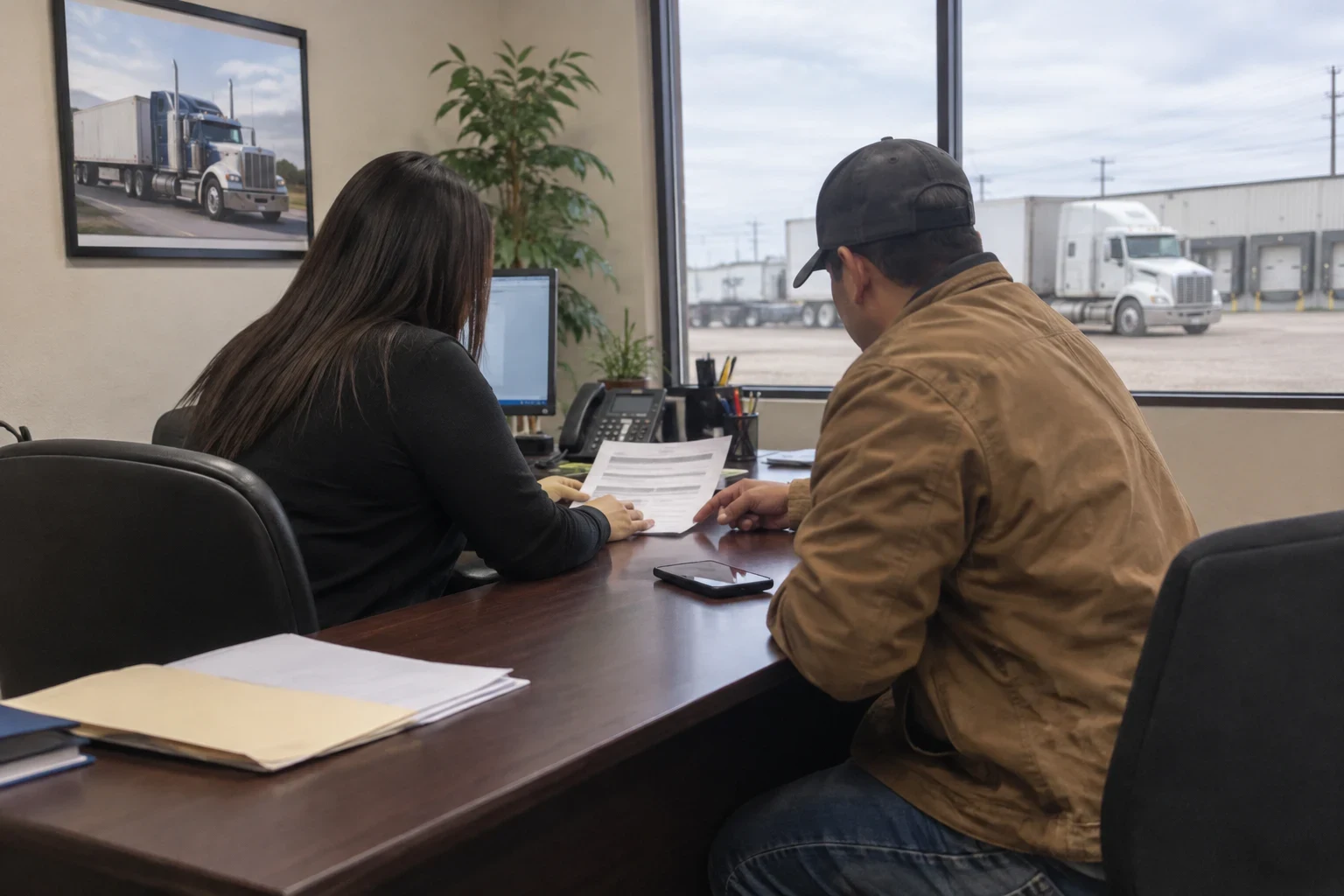
What moves the premium on a box truck
Box truck premiums vary more than people expect, even between two trucks of the same size. The main drivers are what you haul, where you run, and who drives. We show you which factors are pushing your quote and which ones you can change.
- Cargo type and value
- Electronics, appliances, and furniture moving loads raise cargo rates because of their theft and damage history. General dry freight usually rates lower.
- Radius and routes
- Dense final-mile routes around Dallas-Fort Worth mean more stops and more backing. That brings more small claims than longer interstate runs.
- Driver records and experience
- Insurers look at each driver's motor vehicle record and years of commercial driving. One recent at-fault accident can change the carrier options available to you.
- Authority age and loss history
- A new MC authority has no loss runs to show, so fewer carriers will quote it. Clean years on your own authority widen the market.
- Truck value and deductibles
- Physical damage cost follows the stated value of the truck, box, and equipment. A higher deductible lowers premium, but only if you can cover that amount after a loss.
Box truck insurance questions
Something not covered here? (972) 236-7691
Do I need my own MC authority to insure a box truck?
Not always. If you lease onto another carrier or only haul your own goods, you may run under their authority or none at all. If you broker your own loads across state lines for pay, you need MC authority and a liability filing. We sort out which setup fits before quoting.
Does my box truck need a CDL driver?
Most box trucks are built under 26,001 pounds GVWR, so the driver usually doesn't need a CDL. Insurers still check each driver's record and commercial experience. We confirm the GVWR from the door plate photo you send.
Is cargo coverage required?
Federal rules don't require cargo coverage for general freight. Nearly every broker and delivery contract does, though. We set the limit to your most valuable load and point out the exclusions in writing.
I only do local deliveries in Texas. What filings apply?
Intrastate work can bring Texas requirements that depend on vehicle weight and what you haul. We check your truck and operation against them and handle the filings that apply. We also note any you don't need, so you aren't paying for paperwork that does nothing.
How long does it take to get coverage active?
It depends on how quickly we receive your documents and how the carrier underwrites your operation. A truck with clean driver records and complete photos moves faster than one with gaps. We tell you what's missing as soon as we spot it.
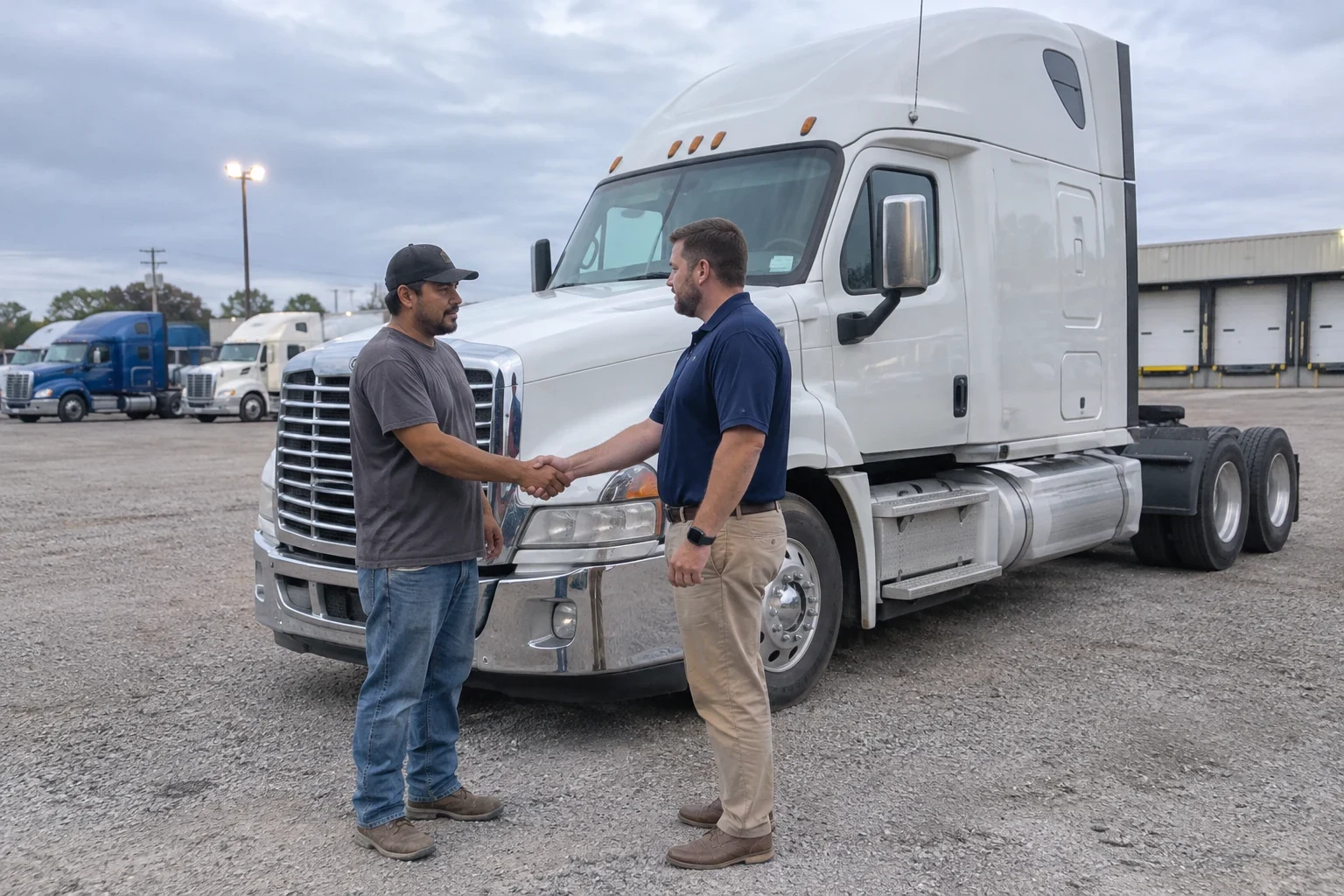
Get your box truck covered the right way
Have your registration, driver details, and a few photos of the truck ready. We'll go through your operation and show you what each quote covers. Box truck owners in Grand Prairie, Arlington, Irving, and nearby towns can reach us by phone or video.