ServicesOwner-Operator Truck Insurance
Owner-Operator Truck Insurance in Grand Prairie
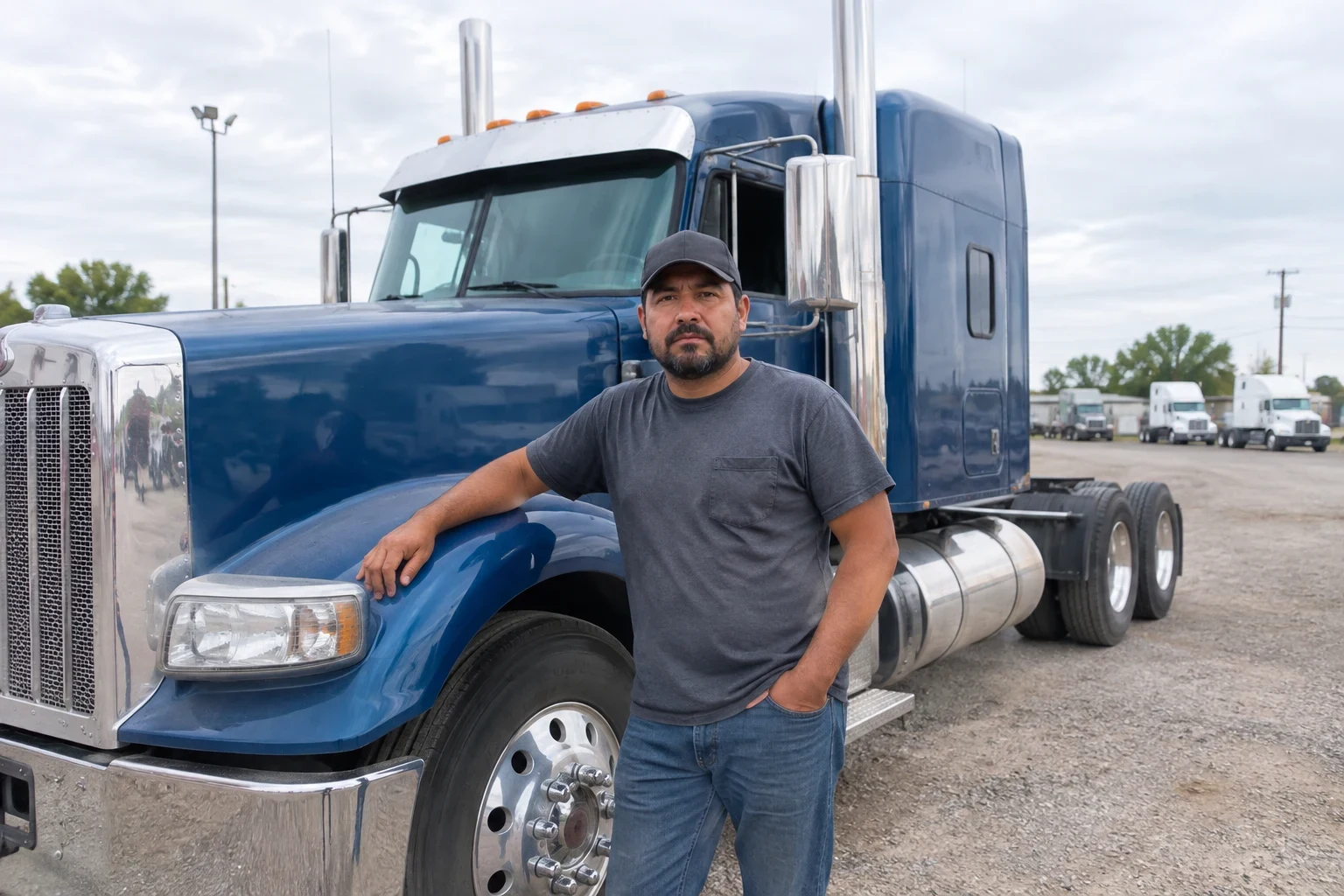
One truck, one driver, and a policy that has to match how you haul. We sort out what your lease or your own authority already covers, put the gaps in writing with screenshots of the actual policy language, and build coverage around your truck.
What owner-operator coverage has to do
An owner-operator's insurance depends on one question first: are you leased onto a motor carrier, or running under your own DOT number and MC authority? Leased on, the carrier's primary liability usually covers you while you're under dispatch, and you need non-trucking liability for the miles you're not, plus physical damage on the truck you own. Under your own authority, you carry primary auto liability with the federal filing, cargo coverage your brokers will ask for, and physical damage on top.
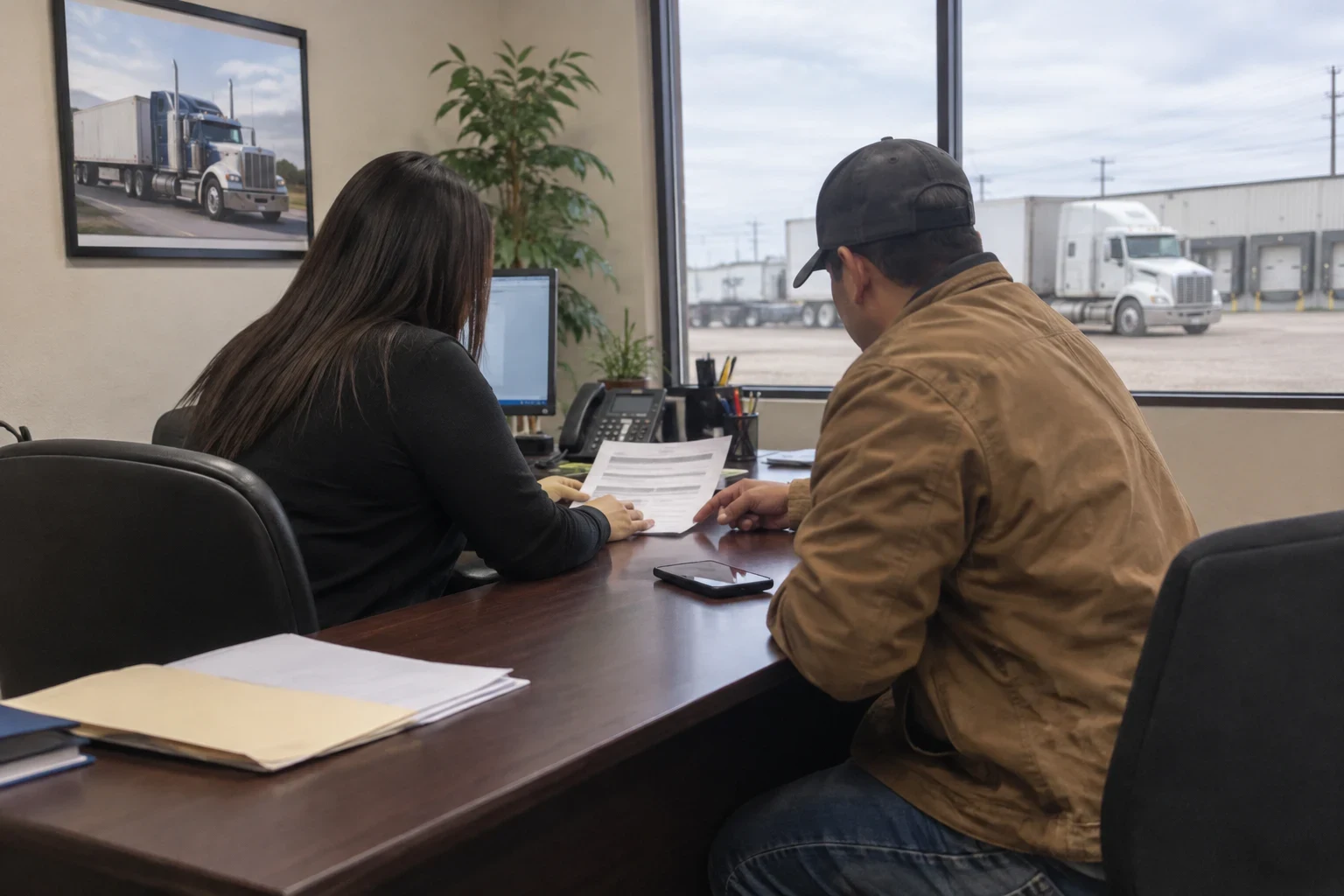
Most problems we see come from a mismatch. A driver goes from leased to independent and keeps a bobtail policy that no longer applies. A lease agreement makes the owner-operator responsible for trailer damage, and nobody added trailer interchange. We read the lease, the current declarations page and the endorsements, then show you exactly which line causes the gap and what we changed to close it.
What we review and set up
Lease agreement review
If you're leased on, we read the insurance section of your lease. It spells out what the carrier covers, what it charges back to you, and if you're expected to carry your own physical damage or trailer coverage.
Primary liability and filings
Under your own authority, we place primary auto liability and handle the filings tied to your DOT number so your MC authority stays active. The MCS-90 endorsement gets checked on every policy, because brokers and shippers look for it.
Physical damage on your truck
Collision and comprehensive written at a stated value that reflects what the tractor is worth today, not what you paid. We photograph the truck, the VIN plate and the odometer when we set it up, so the file shows its condition on day one.
Cargo and bobtail coverage
Motor truck cargo coverage sized to what you actually haul, with the commodity exclusions read out loud to you. For leased drivers, non-trucking liability for personal use and off-dispatch miles.
Certificates of insurance
Once coverage is bound, we issue certificates of insurance to your carrier, brokers or shippers with the business name and holder details matching your authority exactly, so a load isn't held up over paperwork.
Signs your current policy doesn't fit your operation
- You changed from leased to your own authority
- Bobtail coverage is built to sit behind a carrier's primary policy. Once you run under your own MC authority, it doesn't satisfy the federal filing and won't respond the way primary liability does.
- A broker rejected your certificate
- Rejections usually trace to a cargo limit that's too low, a missing reefer breakdown endorsement, or a name that doesn't match your authority exactly.
- Your stated value is years old
- Truck values shift with the used market. A stated value set at purchase can leave you short after a total loss, or paying premium on value the truck no longer has.
- You aren't sure who covers the trailer
- If you pull trailers you don't own and your lease puts damage on you, you may need trailer interchange coverage. Many drivers find this out after a dock or yard incident.
- Your hauling changed
- A new commodity, a wider radius or adding a second driver all change the underwriting. Policies written for one kind of freight often exclude another.
How we set up your coverage
- 1
Phone or video intake
We talk through how you run: leased or independent, what you haul, how far, and who drives. Have your DOT number, VIN, CDL details and current declarations page handy.
- 2
Documented policy review
We go through your existing policy and lease line by line. You get screenshots of the exact exclusions, limits and endorsements we flagged, with a plain note on why each one matters.
- 3
Quotes laid out side by side
We shop the coverage and lay the quotes out on the same limits and deductibles, so you're comparing premium on equal terms rather than a cheap quote with a thinner policy.
- 4
Binding, filings and certificates
After you choose, we bind the policy, get the required filings recorded against your DOT number and issue certificates of insurance to whoever needs them. You get a copy of every document that went out.
What drives your premium
Owner-operator premiums are rated on the driver, the truck and the freight. Two drivers with the same tractor can see very different quotes. We explain which factors are pushing your number and which ones you can change.
- Driving record and CDL experience
- Years with a Class A, your MVR and any recent violations or claims carry the most weight. Underwriters also look at your loss runs from prior policies.
- Leased on or own authority
- Carrying your own primary liability and cargo costs more than bobtail and physical damage alone. A newer authority with no operating history is rated more cautiously.
- Commodity and radius
- Hauling general freight regionally rates differently from long-haul reefer or high-value loads. Garaging location matters too, and heavy DFW traffic around the metro factors into how carriers rate trucks parked here.
- Truck value and deductible
- A higher stated value raises the physical damage premium. Choosing a larger deductible lowers it, as long as you can cover that amount out of pocket after a claim.
Owner-operator insurance questions
- If I'm leased to a carrier, do I need my own insurance?
- Usually yes, just not primary liability. The carrier covers liability while you're under dispatch, but you typically need non-trucking liability for off-dispatch use and physical damage on the truck you own. Your lease says exactly what's expected, and we read it with you.
- What's the difference between bobtail and non-trucking liability?
- The terms get used interchangeably, but policies differ. True bobtail coverage applies when you're driving without a trailer, while non-trucking liability applies when the truck isn't being used for business, with or without a trailer. We check which wording your policy actually uses.
- What do I need to get my own MC authority active?
- You need primary auto liability with the required filing tied to your DOT number, and most brokers will expect cargo coverage before they tender loads. Our New Authority Truck Insurance page covers that first year in more detail.
- Can I keep my policy if I add a second truck?
- Often the policy can be endorsed, but adding a unit or a hired driver changes the rating. Once you're running several trucks, our Fleet Truck Insurance setup may fit better.
- Do I have to come to your office?
- No. We work at our office in Grand Prairie, or by phone and video. Documents and photos can be shared during a video call, and we walk you through what we found on screen.
Find out what your policy really covers
Bring your declarations page and your lease, if you have one. We'll go through it with you, mark what's missing and show you the fix.