ServicesBobtail Insurance
Non-Trucking Liability (Bobtail) Insurance in Grand Prairie
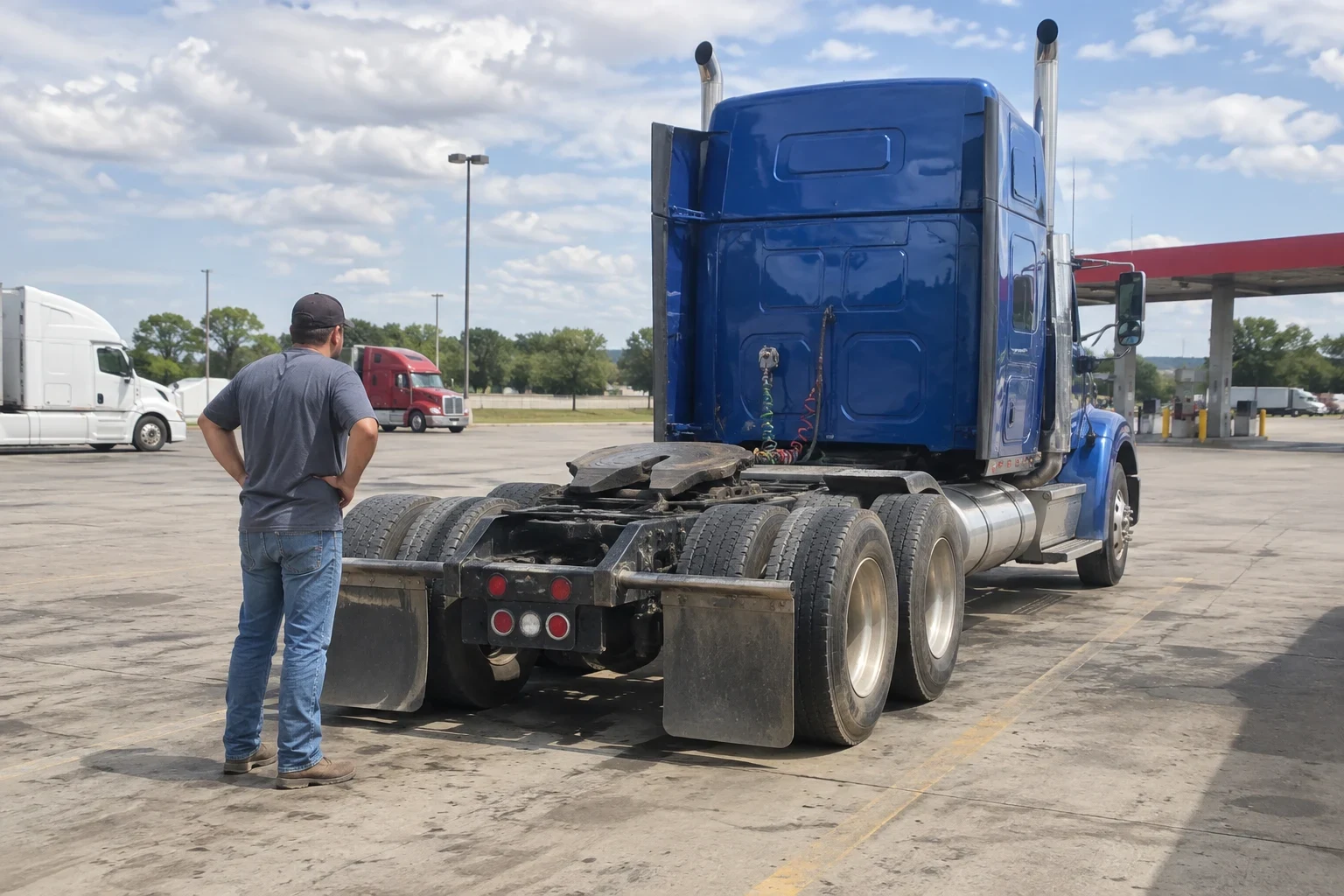
When you are leased to a motor carrier, their policy covers you under dispatch. Off dispatch, your truck needs its own liability. We read your lease, show you the clause that sets the requirement, and quote non-trucking liability that fits it.
What non-trucking liability actually covers
A leased owner-operator's truck runs under someone else's MC authority. The motor carrier's primary auto liability policy responds while you are working for them. It usually stops responding when you are off the clock. That off-the-clock window is what non-trucking liability fills: driving to the shop, home after a final drop, or to a truck wash on a day off.
People use "bobtail" and "non-trucking liability" as if they mean the same thing. They overlap, but older bobtail forms are written around a tractor running without a trailer, whether or not it is under dispatch. Non-trucking forms are written around business use, with or without a trailer. The difference matters at claim time, so we check which form the quote uses and walk you through that wording on screen before you agree to anything.
This coverage is for drivers leased on to a carrier. If you run under your own authority, you need primary auto liability instead, and our page on that coverage explains why.
How we set up your bobtail policy
Lease clause review
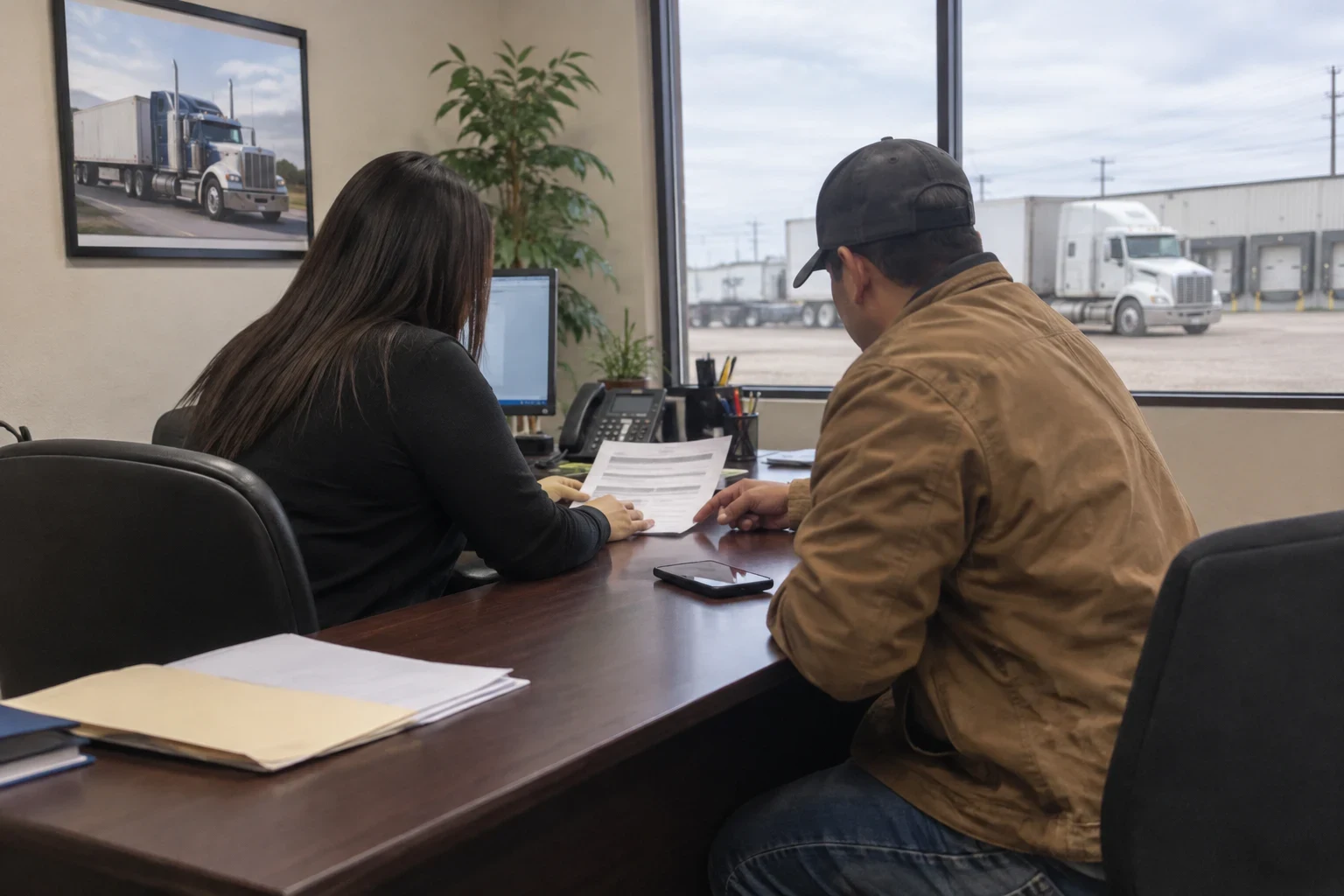
Your lease agreement spells out what the carrier requires: the limit, whether the carrier must be added to your policy by endorsement, and sometimes the exact form. We find that section and show it to you on a video call, so you see the requirement in writing rather than taking our word for it.
Matching the limit
We quote the combined single limit your lease calls for. A limit below the carrier's minimum can hold up your lease or get you parked until it is fixed.
Definition of business use
We point out how the policy defines business use and dispatch. That definition decides whether a deadhead trip or a run back to the terminal is covered.
Certificate of insurance
Once the policy binds, we issue the certificate of insurance to your carrier with the details their safety department asks for.
Pairing with physical damage
Non-trucking liability pays for injury and damage you cause to others. It does nothing for your own tractor. If you need that, we can quote physical damage insurance alongside it.
Signs you need to sort out bobtail coverage now
- You are signing a new lease
- Most carriers ask for proof of non-trucking liability before your first load. Having the certificate ready keeps onboarding moving.
- Your carrier is deducting a charge
- Some carriers provide the coverage and take it out of your settlements. We can show you what that deduction buys and whether your own policy makes more sense.
- You drive the truck home
- If your tractor leaves the yard for personal trips, you are off dispatch for part of most weeks. Each of those miles needs liability.
- You switched carriers
- A policy written around one lease may still list your old carrier on its endorsement. The certificate has to match the carrier you are hauling for today.
- You are getting your own authority
- Once you have an active MC authority and DOT number in your own name, non-trucking liability is the wrong product. That is the point to look at New Authority Truck Insurance.
What happens after you call
- 1
The phone call
We ask who you are leased to, what you drive, where the truck is garaged and how you use it off dispatch. Most of this takes a few minutes.
- 2
Lease and record review
We go through your lease's insurance section with you on a video call, along with your driving record. You see each item we flag, page by page.
- 3
Quotes with the wording shown
We bring back quotes and show you the coverage form, the limit and the exclusions for each one. Then you pick, knowing what each covers and what it leaves out.
- 4
Binding and filing
After you choose, we bind the policy and send the certificate of insurance to your carrier. We keep a copy of what was sent, so you can see exactly what your carrier received.
What moves the premium
A non-trucking policy only responds during the hours your truck is off dispatch, so its premium tends to run lower than the primary liability your carrier carries. Your exact number still comes down to a few details about you and the unit. We walk you through which ones apply before you buy.
- Limit required by the lease
- A higher combined single limit costs more. We quote the limit your carrier sets, not more than you need.
- Driving record
- Moving violations, at-fault accidents and CDL experience all show up on your MVR and in the rate.
- Truck type and garaging
- A tractor and a straight truck rate differently. Where the unit is parked overnight affects the premium too, whether that is Grand Prairie or Mansfield.
- Form and endorsements
- Adding your carrier to the policy by endorsement or picking a broader non-trucking form can shift the price. We show you what each change adds.
Bobtail insurance questions
- Does non-trucking liability cover me while I am deadheading to pick up a load?
- Usually not. Once you are heading to a load for your carrier, most policies treat that as business use, so the carrier's primary liability should respond. We show you the dispatch definition in your quote so you know where that line sits.
- Is bobtail insurance the same as non-trucking liability?
- Not exactly. Bobtail forms are built around driving without a trailer, while non-trucking forms are built around driving off dispatch. Many carriers will accept either, but some leases name one specifically, and we check which one yours asks for.
- Will this pay to fix my truck after a wreck?
- No. Non-trucking liability pays for damage and injuries you cause to other people and their property. Repairs to your own tractor need physical damage coverage, which is a separate policy.
- Can I keep my policy if I change carriers?
- Often you can, but the endorsement naming your carrier and the certificate of insurance have to be updated to the new one. Call us when you sign the new lease and we will check whether the limit and form still match.
- My carrier already deducts for coverage. Do I need my own?
- Not if the carrier's program meets your needs. Ask your carrier for the coverage details, and we can compare that wording against what an individual policy would give you.
Have your lease handy and give us a call
We will find the insurance clause, show you what it asks for, and quote coverage that matches it. Owner-operators leased on in Grand Prairie, Arlington, Irving and nearby can get a certificate to their carrier once the policy binds.