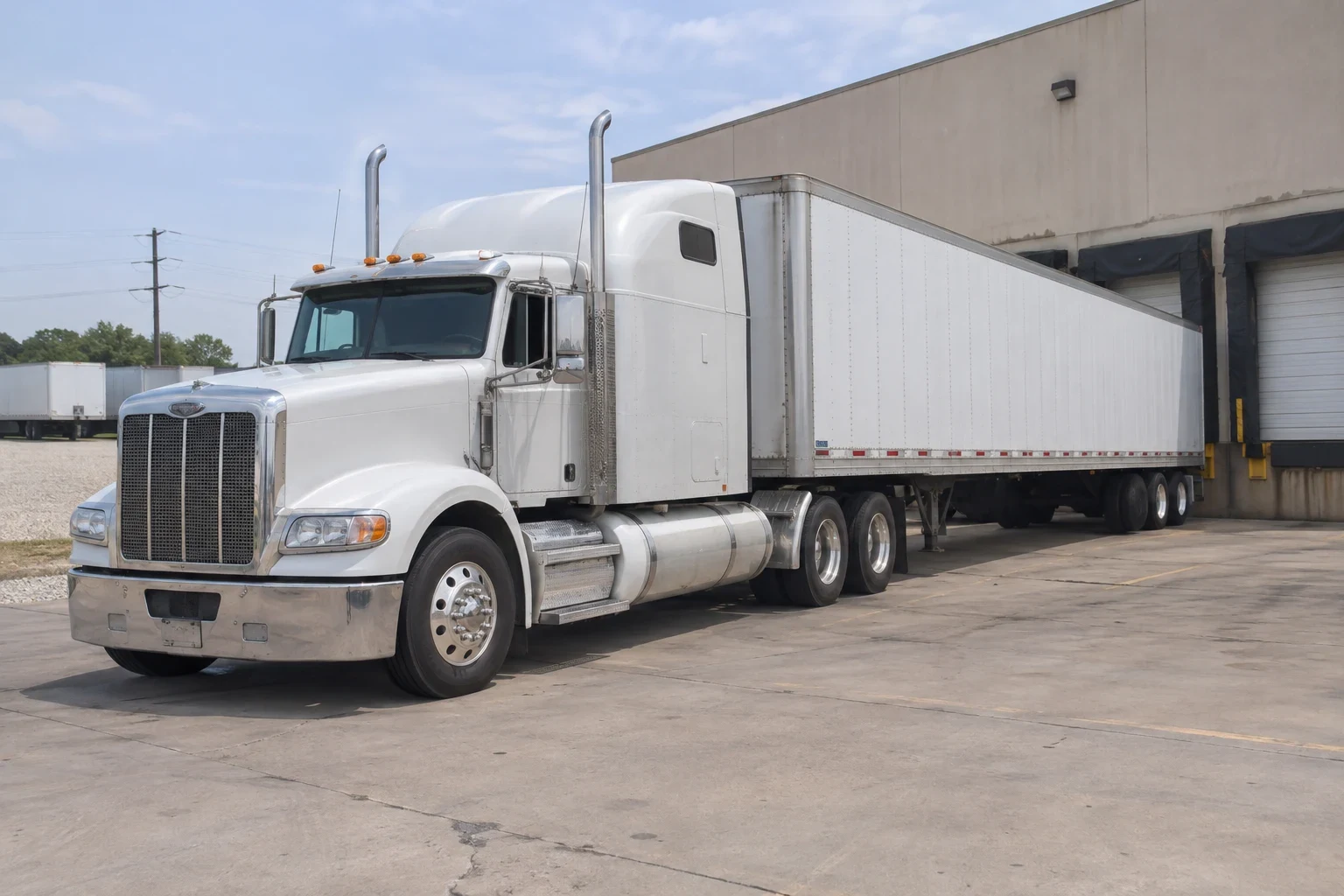
Trucking Insurance in Grand Prairie for Owner-Operators and Fleets
We quote and place primary auto liability, physical damage, motor truck cargo and bobtail coverage for owner-operators, new-authority carriers, hotshot and box truck operators, dump truck businesses and small fleets in Grand Prairie, Arlington and Irving. You see what we found in your current policy, and copies of every filing we make.
- Line-by-line policy review
- Copies of every filing
- Photos of each unit on file
- Quotes by phone or video
Coverage for Every Kind of Truck Operation
Most trucking policies are built from separate pieces: primary auto liability for the public, physical damage for your truck, motor truck cargo for the freight and trailer interchange for equipment you pull under someone else's agreement. Leased-on owner-operators usually need non-trucking liability, also called bobtail, for the miles they run off dispatch. We also write packages built around the operation itself, from new authority truck insurance and fleet truck insurance to hotshot, box truck, and dump truck and construction truck insurance. Each piece has its own exclusions, so we check how they fit together before anything is bound.
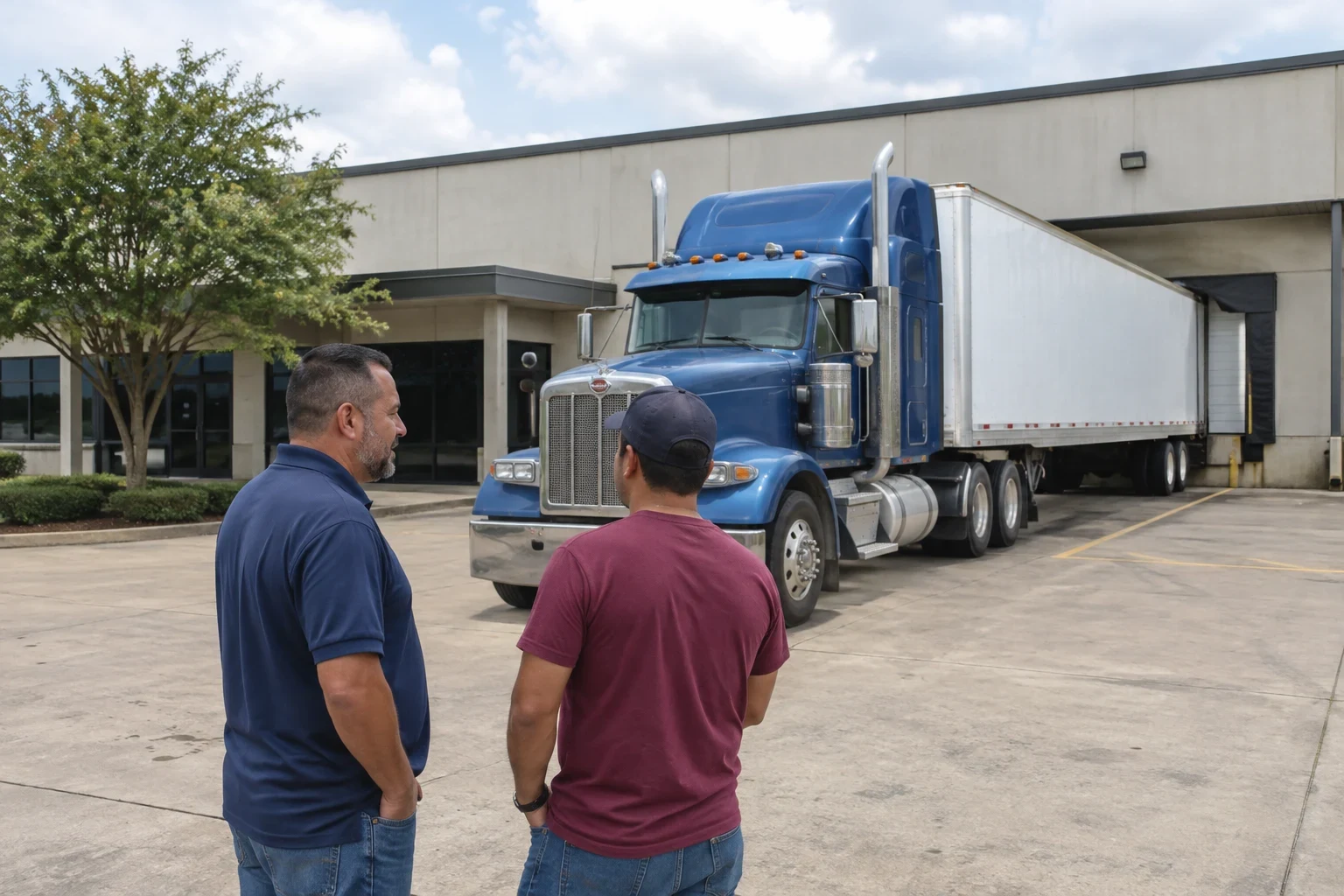
Commercial Trucking Insurance
Liability, physical damage, cargo and the federal and state filings your authority depends on, built around how your trucks actually run.
Primary Auto Liability
The liability coverage your MC authority depends on, matched to the limits your brokers ask for and filed with FMCSA or TxDMV.
Physical Damage
Collision and comprehensive coverage for your tractor, trailer or straight truck, with a stated value backed by the VIN, bill of sale and condition records in your file.
Motor Truck Cargo Insurance
Cargo coverage built around what you actually haul, with exclusions, limits and deductibles checked against your broker contracts before you sign.
Bobtail Insurance
Liability for leased owner-operators when the truck is off dispatch, checked against the insurance clause in your lease before you sign anything.
Trailer Interchange Insurance
Physical damage coverage for a trailer or chassis you pull under a written interchange agreement, matched to the limits and perils the owner requires.
Owner-Operator Truck Insurance
Coverage built around how you actually run: leased onto a carrier or hauling under your own MC authority, with every gap we find written down and shown to you.
New Authority Truck Insurance
Coverage and federal filings for carriers in their first year under a new MC number, with screenshots showing each filing posted.
Fleet Truck Insurance
One policy structure for every truck, trailer and driver in your fleet, with a documented line-by-line review of your schedule before anything is bound.
Dump & Construction Trucks
Liability, physical damage and job-site coverage for dump, mixer, water and roll-off trucks, with every unit and attachment documented on the schedule.
Hotshot Truck Insurance
Coverage for one-ton pickups and flatbed or gooseneck trailers, matched to your freight, your trailer and the filings brokers check.
Box Truck Insurance
Liability, cargo and physical damage coverage for 16 to 26 foot box trucks, with your filings and certificates checked before you take a load.
What Moves Your Trucking Premium
Truck insurance is priced on risk, and underwriters read that risk from a handful of records. Knowing which ones matter lets you see why two quotes differ and what you can change over the next renewal.
We build each quote from your actual drivers, units, commodities and radius, and we explain in writing which factors moved the number.
- Authority age and loss history
- A brand-new MC authority has no loss runs, so underwriters price on the drivers and the operation alone. After a year or two of clean history, more carriers will compete for the account.
- Driver records and experience
- Each driver's MVR, years of CDL experience and any recent violations feed directly into the liability rate. One driver with a major violation can shift the premium for the whole fleet.
- Radius and lanes
- Local work within a short radius rates differently from long-haul interstate runs. A truck based in Grand Prairie that stays on regional lanes is rated on different exposure than one running coast to coast.
- What you haul
- Commodity drives cargo pricing most. Electronics, building materials, refrigerated goods and aggregate each carry different theft, spoilage and damage risk.
- Truck value and type
- Physical damage is priced against the stated value of each unit and its deductible. Dump trucks, hotshot rigs and box trucks are also rated by class, because their accident patterns differ.
- Limits and safety scores
- Higher liability limits required by a broker or shipper raise the premium. CSA scores and inspection history from your DOT number are reviewed by most underwriters too.
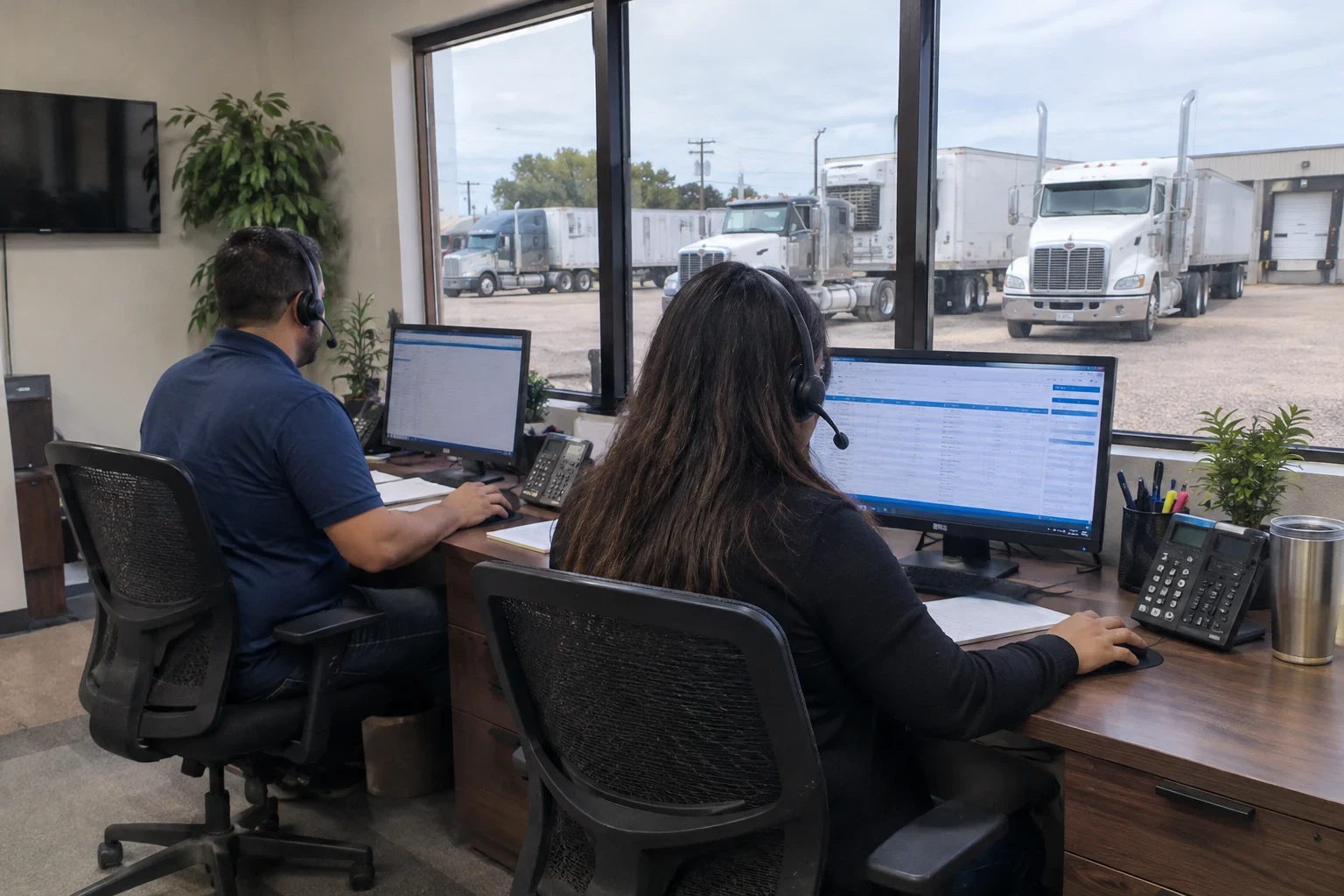
About Trucking Insurance Grand Prairie
We are a trucking insurance office working with owner-operators, new carriers and small fleets across the Grand Prairie area. Our work happens at our office or by phone and video, so you can handle your coverage between loads instead of losing a day off the road.
We keep a written record of every policy we review: what was found, what was changed and why. If an adjuster later asks about a unit's condition or a broker questions your filing, the paperwork is already in your file.
How Getting Covered Works
Most of the work happens by phone or video, and you get a copy of the documents at each step.
- 1
A call about your operation
We ask what you haul, where you run, and how many units and drivers you have. We also ask if you are leased on or running your own authority, since that tells us which coverages you actually need.
- 2
Gathering your records
We collect your DOT number, MC authority, a driver list with dates of birth and driving records, VINs, and any prior loss runs. For physical damage, we gather photos of each unit and its VIN plate.
- 3
Marketing and markup
We take the file to carriers that write your class of trucking and review your current policy for gaps. You receive our written notes on what we found.
- 4
Review side by side
We walk through the quotes on a call or video, covering limits, deductibles, exclusions and premium. You choose, and we explain any tradeoff before you commit.
- 5
Bind, file and certify
Once bound, we make the required filings and pass the confirmations on to you. Certificates of insurance go out to the brokers and shippers you name.
Areas We Serve
We write trucking coverage for operators based in Grand Prairie and the nearby cities of Arlington, Mansfield, Cedar Hill, Duncanville, Cockrell Hill, Irving, Euless, DeSoto, Bedford and Hurst. Since most of the work happens by phone and video, you do not need to stop by our office to get covered.
- Grand Prairie
- Arlington
- Mansfield
- Cedar Hill
- Duncanville
- Cockrell Hill
- Irving
- Euless
- DeSoto
- Bedford
- Hurst
If your trucks are based elsewhere in Texas, call and we will tell you whether we can help.
Trucking Insurance Questions
What do I need to have ready for a quote?
Have your DOT number, your MC number if you have one, driver names with dates of birth and years of CDL experience, and the year, make and VIN of each unit. Loss runs from your current or prior carrier help if you have them. Tell us what you haul and how far you run, since both affect pricing.
Why is insurance for a new authority so expensive?
A new MC authority has no claims history, so underwriters rely on driver experience and the type of freight. Fewer carriers will write new ventures, which limits competition. Clean driving and a clean first year usually open up more options at renewal.
What is the difference between primary liability and bobtail coverage?
Primary auto liability covers damage you cause to others while operating under dispatch, and the motor carrier usually carries it. Non-trucking liability, or bobtail, covers a leased-on owner-operator driving the truck for non-business purposes. Your lease agreement usually spells out which one you must carry.
Do you handle my federal and Texas filings?
Yes. After the policy is bound, we file the BMC-91X for interstate authority or the Texas intrastate filing with TxDMV, depending on where you run. We pass along the confirmation so you can verify it yourself.
How fast can I get a certificate of insurance?
Once your policy is active, give us the certificate holder's name and the wording they need on a call, and we prepare it right away. Brokers often require specific cargo limits or named-party language, so read us their request exactly as written.
Why do you ask for photos of my truck?
Many physical damage carriers require photos of the unit, odometer and VIN plate before binding. Keeping them in your file also documents the truck's condition at the start of coverage, which helps if a claim is ever questioned.
Will my cargo coverage cover everything I haul?
Not always. Many cargo forms exclude specific commodities, unattended vehicles or refrigeration breakdown. We read the exclusions against your actual loads and note any mismatch before you sign.
Why Truckers Work With Us
A trucking policy fails at the seams: a cargo form that excludes the freight you haul, a unit missing from the schedule, a filing that never reached the FMCSA. We look for those gaps and put what we find in writing.
We show you what we found
When you share your current declarations page with us, we mark up the problems we see, such as a stated value below what the truck is worth, a radius limit you already run past, or a commodity exclusion on your cargo form. You get those notes in writing, not just a verbal summary.
Photos of every unit on file
Physical damage underwriters often ask for photos of the tractor, trailer, odometer and VIN plate. We collect them at the start and keep them with your file, so the condition of each unit is documented before a claim ever comes up.
Filings you can verify
After binding, we confirm the federal BMC-91X filing for your MC authority, or the Texas intrastate filing with TxDMV, and pass along a copy of the confirmation. You can check your status yourself instead of waiting for someone to tell you the authority is active.
Quotes compared side by side
We lay quotes out with the same limits, deductibles and endorsements in each column. That way a lower premium that quietly drops trailer interchange or raises the cargo deductible stands out right away.
Certificates handled quickly
Shippers, brokers and general contractors ask for a certificate of insurance before the first load. Tell us on a call who needs one and what wording they require, and we prepare it with the right certificate holder, additional interest or loss payee language.
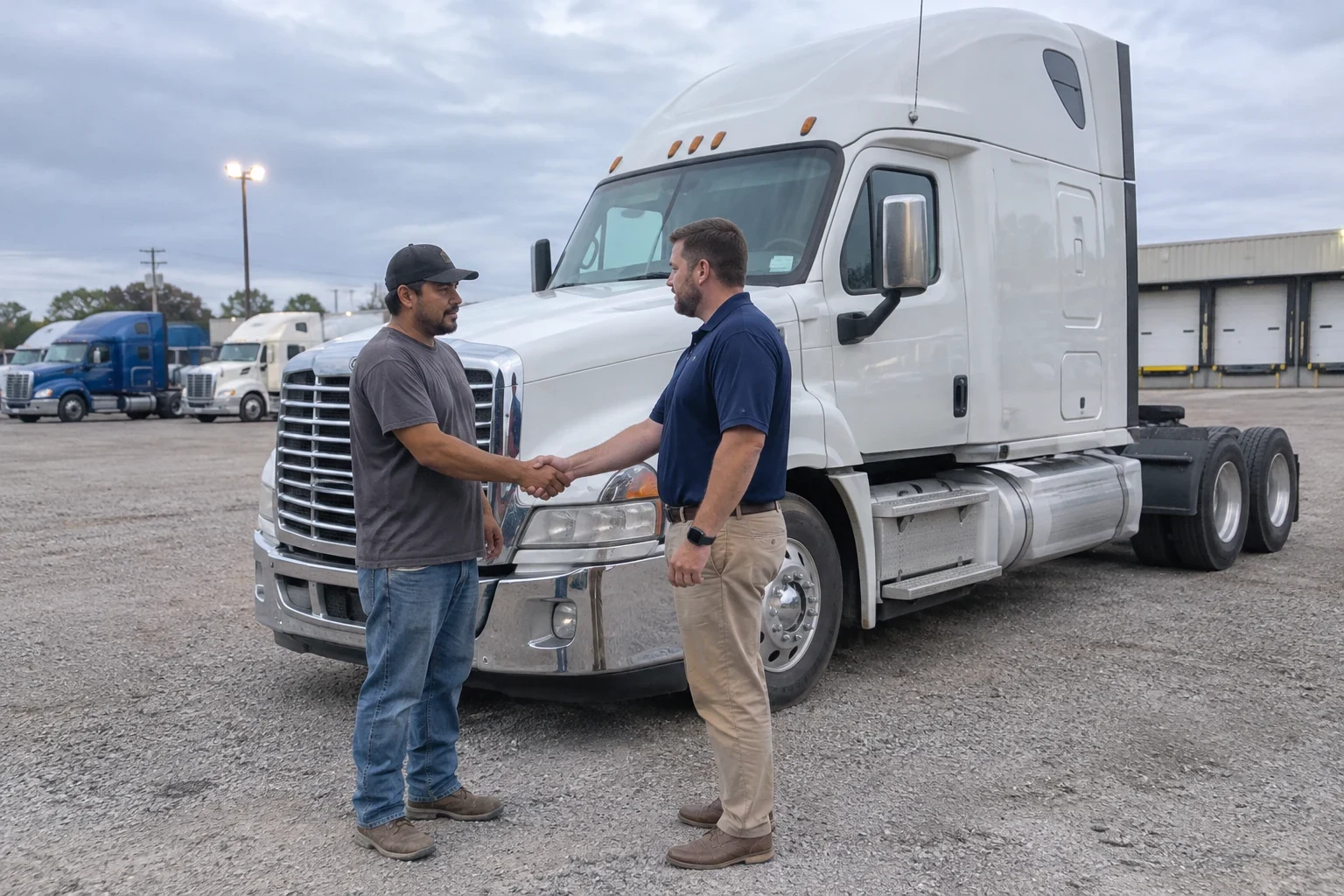
See Your Coverage Laid Out Clearly
Send us your current policy or tell us about your trucks, and we will show you what we find in writing. Most quotes start with one phone call.